

Formula 1 represents the pinnacle of motorsport, combining cutting-edge technology with human skill at speeds exceeding 200 miles per hour. For enthusiasts who live and breathe racing, bringing this passion into living spaces has never been more accessible. Formula 1 art prints have emerged as a sophisticated way to celebrate the sport's rich heritage while elevating interior design with dynamic visual elements that capture the speed, precision, and drama of Grand Prix racing.
The Growing Popularity of Motorsport Wall Art
The surge in Formula 1's global appeal has created unprecedented demand for racing-themed home decor. Netflix's Drive to Survive series introduced millions of new fans to the sport, expanding the audience beyond traditional motorsport enthusiasts. This cultural shift has transformed how people view racing memorabilia, with modern collectors seeking stylish, museum-quality pieces rather than basic posters.
Contemporary formula 1 art prints encompass diverse artistic interpretations. From minimalist track layouts to vibrant action scenes, these pieces serve multiple purposes:
- Personal expression of racing passion and team loyalty
- Conversation starters that showcase sophisticated interests
- Investment pieces that appreciate over time, especially limited editions
- Educational elements highlighting motorsport history and engineering excellence
The evolution of printing technology has democratized access to high-quality racing art. Giclée printing, archival inks, and premium substrates ensure that formula 1 art prints maintain their vibrancy for decades, making them worthy additions to serious art collections.
Popular Styles and Artistic Approaches
Circuit Map Designs
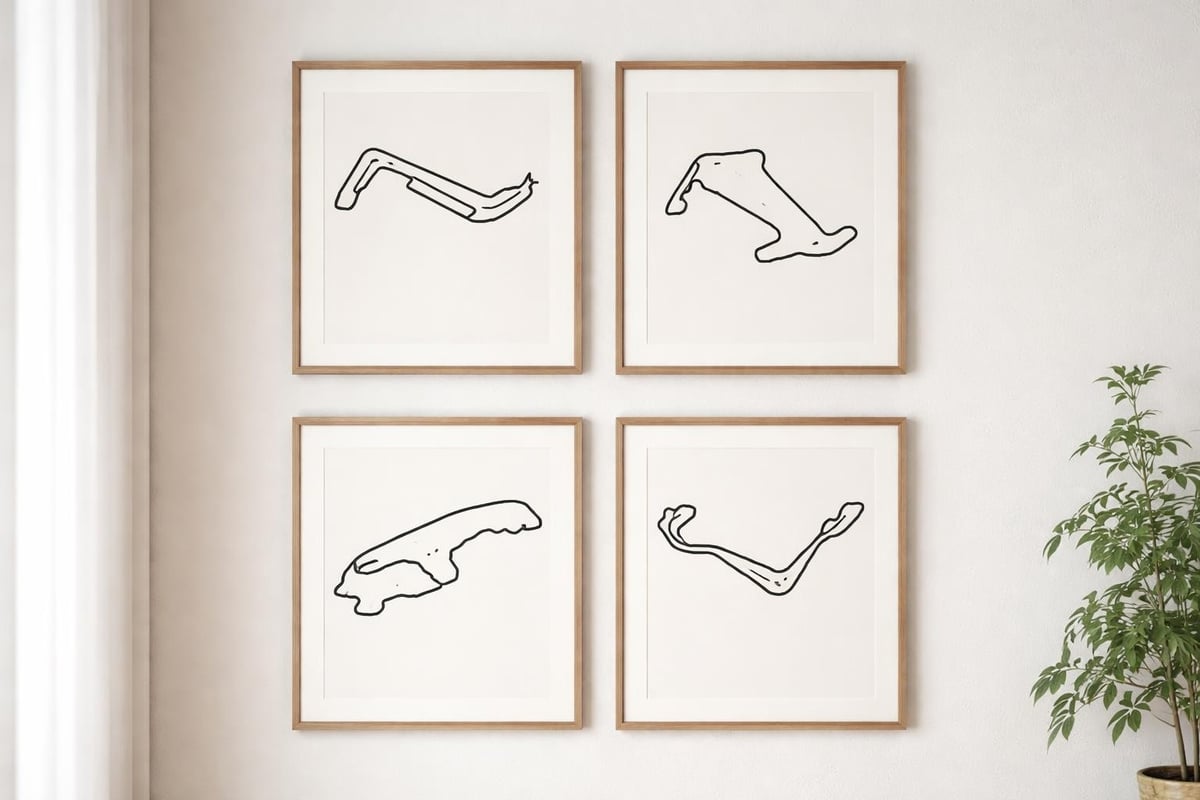
Track layout prints have become increasingly popular among discerning collectors. These minimalist representations distill each Grand Prix circuit to its essential geometry, creating clean lines that complement contemporary interiors. Monaco's street circuit curves and Spa-Francorchamps' legendary Eau Rouge corner translate beautifully into abstract art that non-enthusiasts can appreciate for its visual appeal alone.
Formula 1 track prints often incorporate crucial details like turn numbers, DRS zones, and elevation changes, adding layers of meaning for knowledgeable fans. These technical elements transform simple line drawings into comprehensive visual references that celebrate engineering precision.
Historical Photography and Vintage Racing
Archival photography captures Formula 1's golden eras with authentic nostalgia. The Revs Institute collection showcases 75+ years of motorsport history through professionally preserved images. These prints document legendary drivers, iconic liveries, and historic moments that shaped the sport.
| Era | Characteristics | Popular Subjects |
|---|---|---|
| 1950s-1960s | Front-engine cars, minimal safety | Fangio, Moss, early Grand Prix |
| 1970s | Wide tires, bold colors, ground effects | Hunt, Lauda, classic rivalries |
| 1980s-1990s | Turbo era, electronic aids | Senna, Prost, Schumacher dominance |
| 2000s-Present | Hybrid technology, aerodynamics | Modern champions, current circuits |
Digital Art and Contemporary Illustrations
Modern artists blend traditional painting techniques with digital tools to create dynamic interpretations. Alex Wakefield's racing paintings exemplify this approach, using vibrant colors and energetic brushwork to convey the adrenaline of wheel-to-wheel combat. These contemporary pieces attract younger collectors who appreciate both motorsport and fine art.
Society6's Formula 1 collection demonstrates the diversity available today. Artists worldwide contribute unique perspectives, from abstract geometric compositions to photorealistic renderings, ensuring every collector finds pieces matching their aesthetic preferences.
Selecting the Right Formula 1 Art for Your Space
Matching Prints to Interior Design Styles
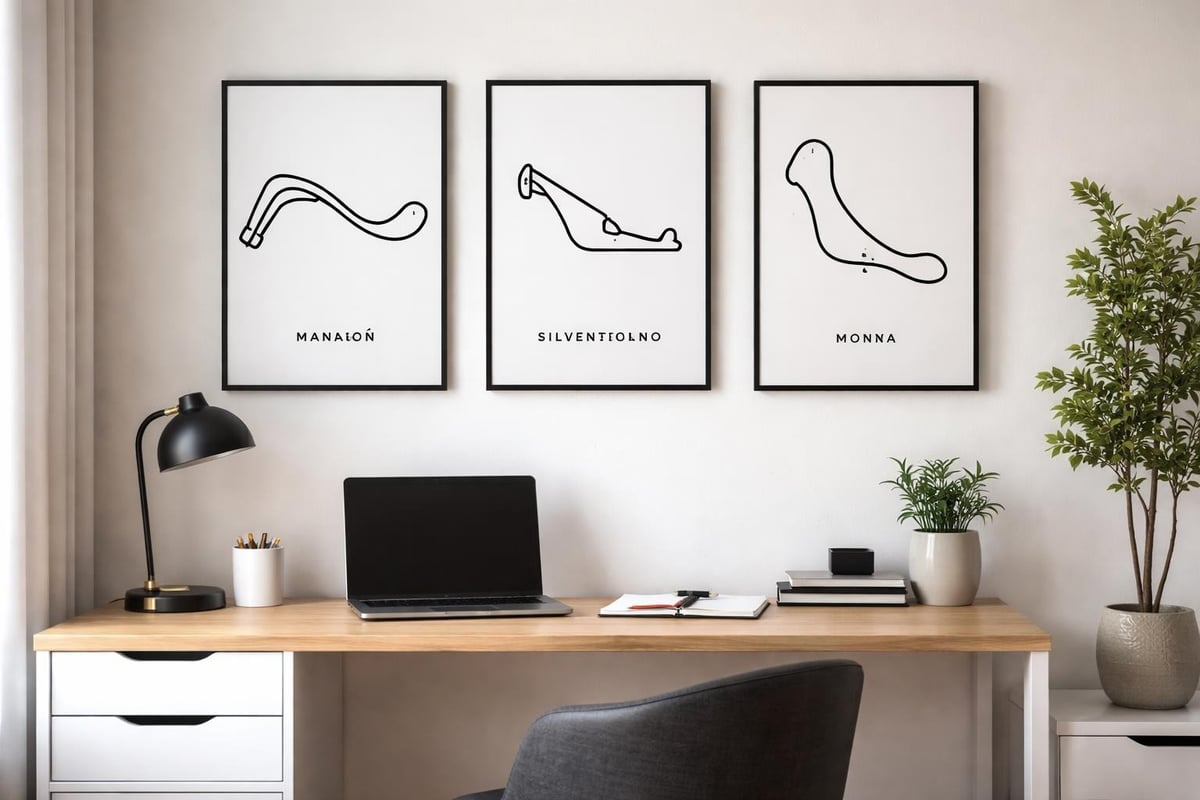
Successfully integrating formula 1 art prints requires considering existing decor themes. Minimalist spaces benefit from clean track layouts and monochromatic photography, while industrial lofts can accommodate bold racing action scenes with exposed mechanics and pit lane drama.
For traditional interiors, vintage posters and historical photographs provide timeless elegance without overwhelming classic furnishings. Rooms with modern or Scandinavian aesthetics pair well with simplified circuit maps featuring neutral color palettes and plenty of white space.
Size and Placement Considerations
Proper sizing ensures visual impact without dominating a room. Standard dimensions for formula 1 art prints include:
- Small (12x16 inches): Ideal for gallery walls or office spaces
- Medium (18x24 inches): Perfect for bedroom focal points
- Large (24x36 inches): Statement pieces for living rooms and entertainment areas
- Oversized (36x48+ inches): Dramatic installations for expansive walls
Placement height significantly affects viewer engagement. Industry standards suggest hanging artwork so the center sits at eye level, approximately 57-60 inches from the floor. In rooms where people typically sit, lowering this height creates more comfortable viewing angles.
Color Coordination and Room Harmony
Racing's vibrant team colors offer both opportunities and challenges. Ferrari's iconic red, Mercedes' silver arrows, and McLaren's papaya orange make bold statements but require thoughtful coordination with existing color schemes.
Consider these strategies for cohesive integration:
- Extract accent colors from the print to inform throw pillows, rugs, or decorative objects
- Use neutral frames (black, white, natural wood) to temper vibrant imagery
- Create themed groupings featuring complementary color families
- Balance bold pieces with neutral surrounding walls to prevent visual fatigue
Quality Considerations and Printing Techniques
Understanding Print Methods and Materials
Premium formula 1 art prints employ specific production techniques that distinguish collectible pieces from mass-market posters. Giclée printing uses archival-quality inks and acid-free papers to produce museum-grade reproductions that resist fading for over 100 years when properly displayed.
AJ Wellburn's limited edition motorsport art demonstrates the superior quality achievable through professional giclée processes. These prints capture subtle color gradations and fine details that lesser methods cannot reproduce, justifying higher price points for serious collectors.
Paper Types and Substrate Options
Different substrates create distinct aesthetic effects and longevity profiles:
- Fine art paper (cotton rag): Museum quality with textured surface, excellent longevity
- Photo paper (resin-coated): Glossy finish, vibrant colors, modern appearance
- Canvas: Traditional gallery feel, works without frames, adds texture
- Metal: Contemporary industrial look, exceptional durability, waterproof
Environmental conditions influence substrate selection. Humid climates favor canvas and metal over paper, while dry regions accommodate all materials. UV-protective glass or acrylic remains essential for paper prints in sunny locations.
Edition Sizes and Collectibility
Limited edition formula 1 art prints gain value through scarcity and artist reputation. RacePrints' ultra-limited offerings exemplify this approach, with hand-numbered pieces ranging from 50 to 250 prints per edition. Smaller runs typically command premium prices and better appreciate over time.
| Edition Type | Typical Range | Investment Potential | Accessibility |
|---|---|---|---|
| Ultra-Limited | 1-50 prints | Highest | Very exclusive |
| Limited Edition | 51-500 prints | High | Selective |
| Open Edition | 500+ prints | Moderate | Widely available |
| Print-on-Demand | Unlimited | Lower | Maximum accessibility |
Building a Cohesive Racing Art Collection
Creating Gallery Walls with Track Prints
Gallery walls allow enthusiasts to display multiple circuits chronologically or by geographic region. European circuits (Monza, Spa, Silverstone) grouped together tell compelling stories about Formula 1's heritage, while showcasing the diverse Formula 1 track collection available for 2026.
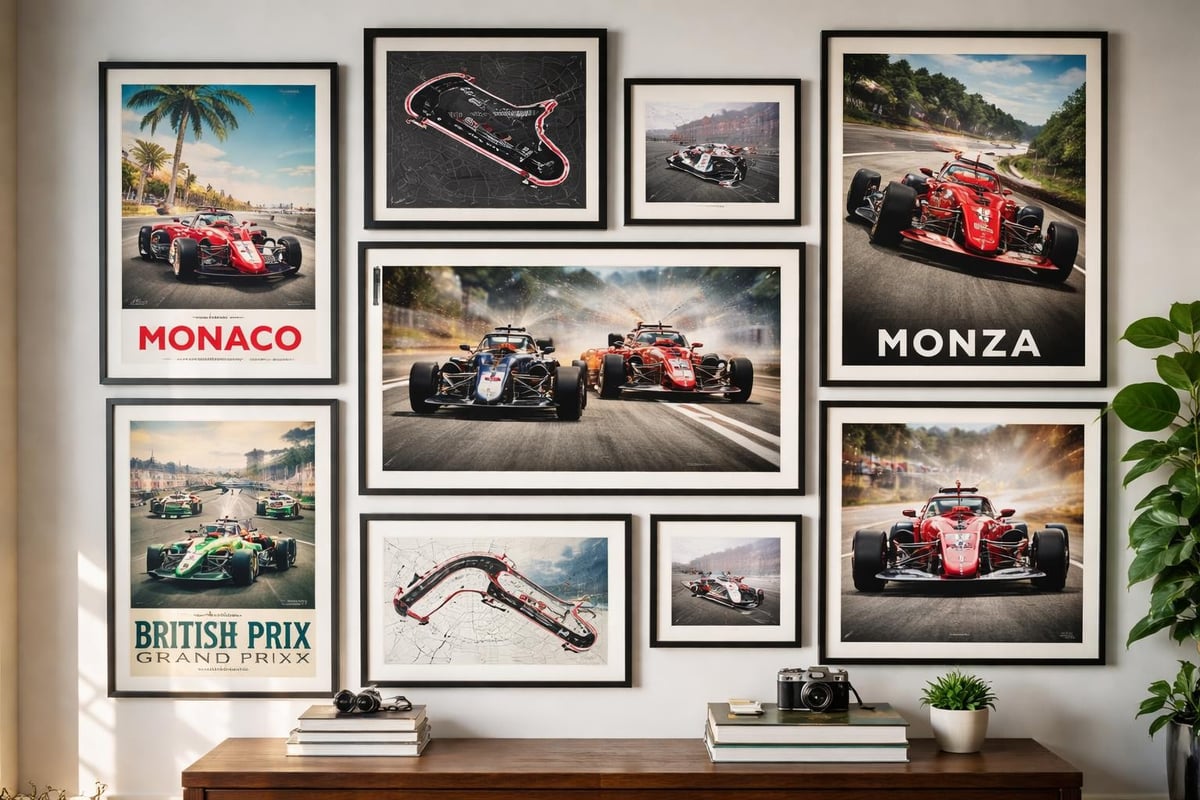
Successful gallery arrangements balance visual weight and negative space. Mix large focal pieces with smaller complementary prints, maintaining consistent frame styles or matting to unify diverse images. Spacing between frames typically ranges from 2-4 inches, creating cohesion without crowding.
Themed Collections Beyond Circuits
Expanding beyond track layouts adds depth to racing collections. Consider these thematic approaches:
- Driver-focused collections celebrating favorite champions across eras
- Team livery evolution documenting color schemes and sponsor changes
- Technical illustrations showing car components, engines, and aerodynamics
- Podium moments capturing victory celebrations and championship clinches
- Vintage poster reproductions from historic Grand Prix events
Mixing artistic styles within cohesive themes prevents monotony while maintaining conceptual unity. Pairing Gary Speak's realistic paintings with minimalist track maps creates visual dialogue between representational and abstract approaches.
Seasonal Rotation and Display Strategies
Formula 1's annual calendar offers opportunities for dynamic display rotation. Highlighting upcoming race venues builds anticipation, while post-race displays celebrate memorable moments. This approach keeps collections fresh and relevant throughout the 23-race season extending from March through November.
Dedicated collectors often maintain "active" and "archive" portions of their collections. Active displays feature current season circuits and championships, while archived pieces preserve historical significance for future appreciation or resale.
Caring for Your Formula 1 Art Investment
Proper Framing and Protection
Professional framing extends print longevity while enhancing presentation. Acid-free matting prevents chemical deterioration, while UV-filtering glazing blocks 99% of harmful light rays that cause fading. Museum glass eliminates reflections entirely, creating unobstructed viewing experiences worth the premium cost for valuable pieces.
Frame selection influences overall aesthetic impact. Contemporary black frames suit modern interiors, while natural wood complements traditional or Scandinavian spaces. Metal frames align with industrial design themes common in automotive-inspired rooms.
Environmental Control and Placement
Optimal display conditions preserve formula 1 art prints for generations:
- Temperature: Maintain 65-75°F with minimal fluctuations
- Humidity: Keep between 40-50% relative humidity
- Light exposure: Avoid direct sunlight; use LED bulbs producing minimal UV
- Air quality: Ensure proper ventilation; avoid smoking or cooking areas
Rotating displayed pieces annually distributes light exposure evenly across collections, preventing some prints from deteriorating faster than others. Store unused prints flat in acid-free folders within climate-controlled environments.
Insurance and Documentation
Valuable limited editions warrant proper documentation and insurance coverage. Maintain certificates of authenticity, purchase receipts, and artist information for all significant pieces. Photograph collections periodically, updating records as acquisitions expand.
Specialty art insurance policies protect against damage, theft, and loss beyond standard homeowner coverage limits. Annual premiums typically cost 1-2% of collection value, providing comprehensive protection for investments exceeding several thousand dollars.
Where to Find Authentic Racing Prints
Established Galleries and Artists
Direct purchases from recognized motorsport artists ensure authenticity while supporting creative talent. Mark Anthony's Formula 1 Giclée prints exemplify professional quality available through artist-direct channels. These relationships often provide early access to new releases and commission opportunities for custom pieces.
Gallery representation adds credibility and potentially increases resale value. Established motorsport art galleries curate collections featuring multiple artists, allowing collectors to compare styles and quality before committing to purchases.
Online Marketplaces and Print-on-Demand
Digital platforms democratize access to formula 1 art prints from emerging and established artists worldwide. While offering tremendous selection, these marketplaces require careful quality assessment. Review artist portfolios, read customer feedback, and verify return policies before purchasing.
Print-on-demand services provide affordability but sometimes sacrifice quality. Examine production specifications, ensuring archival inks and premium papers rather than basic poster stock. Similar to sports prints collections, reputable providers transparently disclose materials and processes.
Authenticating Vintage and Historical Pieces
Original vintage racing posters command significant premiums, making authentication crucial. Examine paper quality, printing methods, and aging patterns consistent with claimed dates. Professional appraisers specializing in motorsport memorabilia provide expert verification for high-value acquisitions.
Reproduction vintage posters offer period aesthetics without authentication concerns or premium pricing. Modern prints of classic travel posters demonstrate how contemporary printing recreates vintage appeal while ensuring material quality and longevity.
Integrating Motorsport Passion with Interior Design Trends
2026 Design Trends and Racing Art
Current interior design emphasizes sustainable materials, bold statement pieces, and personalized spaces reflecting individual interests. Formula 1 art prints align perfectly with these priorities, offering eco-conscious production options through sustainable inks and recycled papers.
Maximalism's resurgence encourages dramatic gallery walls and bold color statements. Racing's inherent vibrancy fits naturally within this trend, allowing enthusiasts to embrace their passion without minimizing impact. Conversely, quiet luxury appreciates the craftsmanship behind limited edition prints and subtle track layouts.
Multi-Room Integration Strategies
Extending racing themes beyond dedicated man caves or offices creates cohesive whole-home designs. Consider these room-specific approaches:
- Living rooms: Large-scale circuit maps or historic championship moments as focal points
- Home offices: Inspirational driver quotes paired with action photography
- Bedrooms: Calmer monochromatic prints promoting relaxation
- Hallways: Gallery timelines showing motorsport evolution
- Bathrooms: Small vintage poster reproductions adding unexpected personality
Consistency in framing and color palettes ties disparate rooms together while allowing individual spaces to maintain unique characteristics. This approach demonstrates sophisticated design sensibility rather than single-room obsession.
Combining Racing with Other Collections
Formula 1 art prints complement broader interests without creating visual chaos. Motorsport enthusiasts often appreciate other sports, golf course artwork, or travel prints celebrating international destinations. Strategic placement separates themes while maintaining overall aesthetic cohesion.
Shared design elements unite diverse collections. Consistent framing, similar color temperatures, or complementary artistic styles allow racing prints to coexist with university maps, tennis memorabilia, or landscape photography within harmonious interior schemes.
The Investment Perspective on Racing Art
Market Trends and Value Appreciation
Premium formula 1 art prints demonstrate steady value appreciation, particularly limited editions from recognized artists commemorating historic moments. Pieces celebrating legendary drivers, championship seasons, or final races at beloved circuits gain significance as time increases their historical importance.
According to motorsport art market analysis, limited edition prints from established artists typically appreciate 5-15% annually, outpacing inflation and rivaling traditional art investments. Rarity, condition, and artist reputation primarily determine long-term value trajectories.
Strategic Acquisition and Portfolio Building
Serious collectors approach formula 1 art prints with investment discipline:
- Research artist backgrounds and previous sales performance
- Prioritize low edition numbers (under 100 when possible)
- Focus on significant moments rather than generic racing scenes
- Maintain pristine condition through proper storage and display
- Document provenance with certificates and purchase records
Diversification across artistic styles, eras, and subjects mitigates risk while creating visually interesting collections. Balancing blue-chip established artists with emerging talent positions portfolios for both stability and growth potential.
Resale Markets and Liquidity Considerations
Secondary markets for motorsport art remain relatively liquid compared to other collectible categories. Online auction platforms, specialized dealers, and collector forums facilitate transactions, though selling premium pieces typically requires patience to achieve fair market value.
Timing significantly impacts resale success. Anniversary years commemorating historic events, driver retirements, or tragic losses create increased demand for related artwork. Monitoring Formula 1's calendar and news helps identify optimal selling windows for maximum returns.
Formula 1 art prints offer enthusiasts sophisticated ways to celebrate their passion while enhancing living spaces with dynamic, meaningful artwork. Whether collecting minimalist track layouts, vintage racing photography, or contemporary interpretations, these pieces transform blank walls into personal motorsport museums. Favourite Place Prints provides curated collections featuring Formula 1 circuits alongside complementary sports and travel themes, all produced using eco-friendly materials and backed by free worldwide shipping to help racing fans worldwide express their passion through high-quality wall art.