

Golf art prints have emerged as a sophisticated way to celebrate the sport's rich heritage while adding character and elegance to interior spaces. Whether you're a dedicated golfer, an art enthusiast, or someone who appreciates the aesthetic beauty of renowned courses, these prints offer a unique opportunity to bring the game's timeless appeal into your home or office. The growing popularity of sports-themed decor has positioned golf artwork as a versatile design element that transcends traditional sports memorabilia, blending seamlessly with various interior design styles from classic to contemporary.
The Evolution of Golf Art in Interior Design
The appreciation for golf-themed artwork has grown significantly over recent decades. What once resided primarily in clubhouses and trophy rooms now graces modern living spaces, home offices, and even corporate environments. This shift reflects broader trends in interior design where personal interests and passions become integral to creating meaningful spaces.
Golf art prints serve multiple purposes in contemporary design:
- They create conversation starters that reflect personal interests and achievements
- They add visual interest through varied compositions, from sweeping landscape views to action-oriented player portraits
- They introduce natural color palettes that complement neutral design schemes
- They establish a sense of place by featuring recognizable courses and locations
The Golf Heritage Society's collection guidance highlights how these prints have become valuable both as artistic pieces and historical documentation of the sport's evolution. Traditional artwork capturing the Golden Age of golf provides a window into the game's past, while contemporary interpretations offer fresh perspectives on familiar themes.
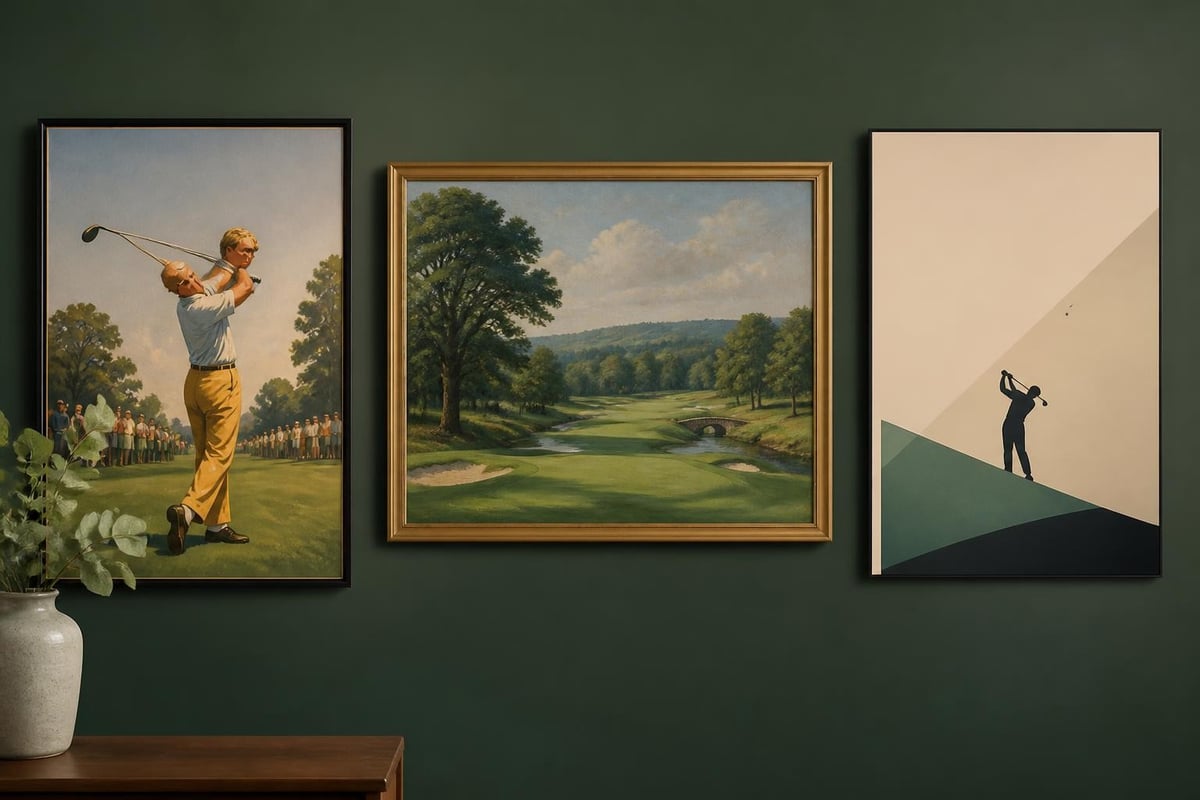
Understanding Different Styles of Golf Art Prints
The diversity within golf art prints allows collectors and decorators to find pieces that align perfectly with their aesthetic preferences. Each style brings distinct characteristics that can dramatically influence the mood and atmosphere of a space.
Classic and Vintage Golf Artwork
Traditional golf prints often feature iconic moments from tournament history, detailed course landscapes, and portraits of legendary players. These pieces typically employ realistic rendering techniques and rich, warm color palettes that evoke nostalgia. Vintage tournament posters from St. Andrews, Augusta National, or Pebble Beach carry particular cachet among enthusiasts.
The artwork from this era often includes:
- Hand-colored etchings and lithographs showing historic courses
- Action scenes depicting famous championship moments
- Architectural drawings highlighting course design elements
- Period advertising materials and event programs
Contemporary Golf Art Prints
Modern interpretations of golf themes embrace diverse artistic approaches. Contemporary artists experiment with abstraction, geometric compositions, and bold color choices that appeal to design-forward collectors. These pieces work exceptionally well in minimalist or Scandinavian-inspired interiors where clean lines and restrained palettes dominate.
Abstract golf art prints capture the sport's essential movements and forms without literal representation. This approach creates versatile pieces that function as sophisticated wall art while maintaining thematic relevance for golf enthusiasts. The geometry of golf swings, course layouts, and equipment becomes artistic subject matter rendered through innovative techniques.
| Style Category | Best For | Common Color Palettes | Typical Price Range |
|---|---|---|---|
| Vintage Posters | Traditional spaces, studies | Earth tones, muted greens | $50-$300 |
| Course Landscapes | Living rooms, offices | Natural greens, blues, golds | $75-$500 |
| Abstract Modern | Contemporary spaces | Bold primaries, black/white | $60-$400 |
| Player Portraits | Dedicated golf rooms | Varied, often dramatic | $100-$600 |
Selecting Golf Art Prints for Your Space
Choosing the right golf art prints requires consideration of both aesthetic and practical factors. The most successful installations balance personal connection with design coherence, ensuring artwork enhances rather than overwhelms the space.
Matching Art to Room Function
Different rooms benefit from specific types of golf imagery. Home offices often showcase inspirational pieces featuring challenging courses or quotes from golf legends, creating an environment that motivates and energizes. Living rooms accommodate larger landscape prints that serve as focal points, while hallways and corridors work well with series or collections that create visual continuity.
Consider these room-specific approaches:
- Master bedrooms: Serene course landscapes in calming color schemes promote relaxation
- Home bars or entertainment spaces: Vintage advertising posters add playful sophistication
- Study or library: Historical illustrations and architectural course drawings complement scholarly atmospheres
- Entryways: Bold, welcoming pieces that immediately establish personal style
The golf course poster collection at Favourite Place Prints demonstrates how varied course representations can suit different design needs, from detailed aerial views to stylized minimalist interpretations.
Size and Scale Considerations
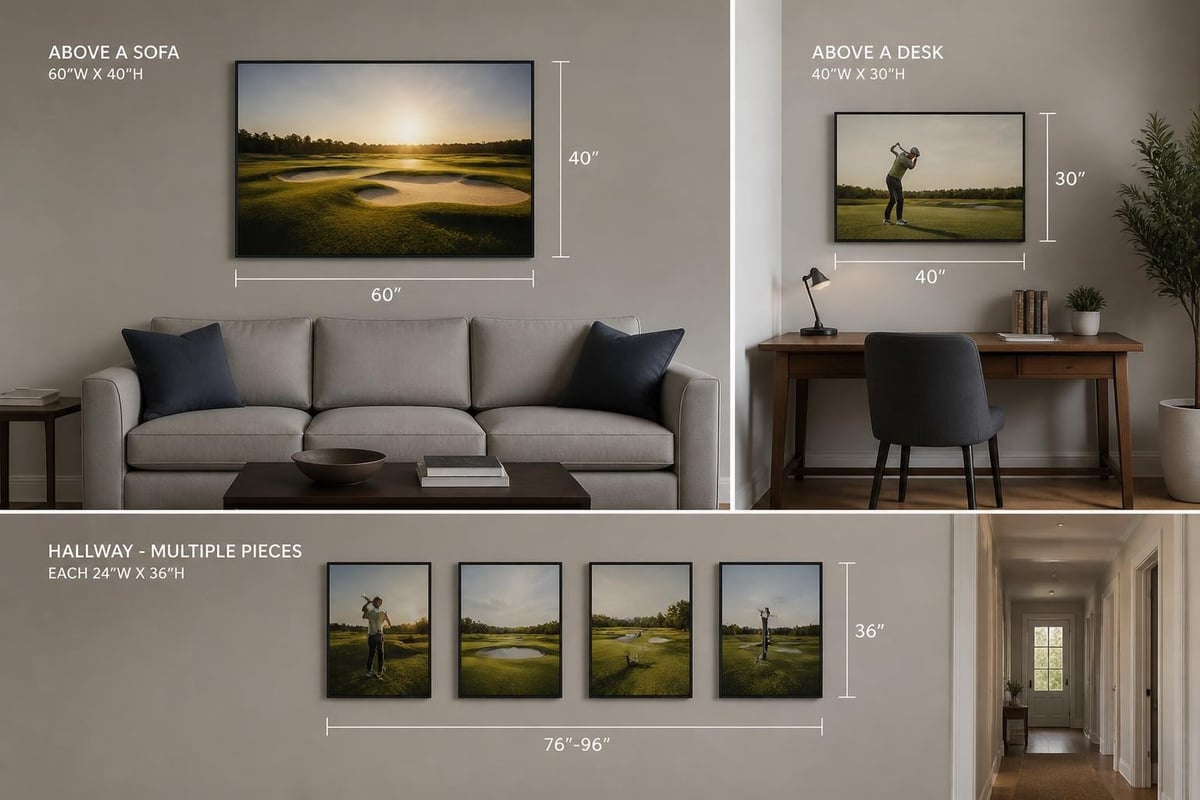
Proper sizing ensures golf art prints make the intended visual impact. A common mistake involves selecting pieces that are too small for the wall space, resulting in artwork that appears lost or insignificant. As a general guideline, artwork should occupy roughly two-thirds to three-quarters of the available wall width for optimal visual balance.
For spaces above furniture, maintain 6-8 inches of clearance between the furniture top and the bottom of the frame. This proportion creates visual connection while preventing the piece from appearing to float disconnectedly on the wall.
Renowned Golf Artists and Their Distinctive Styles
Understanding key artists in the golf art world helps collectors identify pieces that resonate with their preferences. Each artist brings unique perspectives and techniques that have shaped how the sport is visually represented.
Linda Hartough: Master of Course Landscapes
Linda Hartough's work has defined golf landscape painting for over three decades. Her meticulous attention to detail and ability to capture the unique character of each course has made her prints highly sought after. Hartough's paintings document famous courses with photographic precision while infusing them with artistic interpretation that elevates them beyond mere documentation.
Her portfolio spans courses worldwide, from Scottish links to American parkland designs, making her work accessible to collectors regardless of geographic preferences.
Contemporary Voices in Golf Art
Modern artists like those featured at Aimee Smith Studios and Cassy Tully bring fresh perspectives to golf imagery. These artists often employ looser brushwork, experimental color palettes, and compositional approaches that appeal to younger collectors and those furnishing contemporary spaces.
The officially licensed nature of much contemporary golf art ensures accurate representations while supporting both artists and the sport's institutions. This authenticity adds value for serious collectors and enthusiasts who appreciate verified depictions of beloved courses.
Incorporating Golf Art Prints into Broader Decor Themes
Golf art prints need not exist in isolation from other decorative elements. The most sophisticated spaces integrate these pieces within comprehensive design schemes that create cohesive, layered environments.
Combining with Other Sports Art
For multi-sport enthusiasts, golf prints pair naturally with other athletic artwork. The tennis posters collection offers complementary pieces that share similar aesthetic qualities, particularly vintage tournament graphics and course/court landscapes. This approach works especially well in home gyms, game rooms, or dedicated sports memorabilia displays.
Creating thematic galleries allows personal interests to shine while maintaining visual organization. Group similar frame styles and matting colors to unify disparate subject matter.
Pairing with Travel Prints
Golf's international nature creates natural connections with travel-themed artwork. Many collectors combine prints of famous golf destinations with broader travel prints representing those regions. A print of St. Andrews Old Course might hang alongside Scottish landscape photography, while Augusta National pairs beautifully with other Southern United States imagery.
This approach transforms golf art prints from sports memorabilia into sophisticated geographic documentation that appeals to wanderlust and appreciation for diverse landscapes.
Framing and Presentation Considerations
The presentation quality of golf art prints significantly impacts their visual effectiveness and longevity. Proper framing protects the artwork while enhancing its aesthetic appeal and integration with surrounding decor.
Frame Style Selection
Frame choices should complement both the artwork and the room's existing design elements. Traditional golf prints often benefit from classic wood frames in walnut, cherry, or mahogany finishes that reference the sport's heritage. Contemporary pieces frequently look best in simple, clean-lined frames that don't compete with the artwork's compositional boldness.
Popular framing approaches include:
- Gallery-style black frames: Timeless, versatile, work with any decor style
- Natural wood frames: Add warmth, suit traditional and transitional spaces
- White or cream frames: Brighten artwork, ideal for lighter, airy rooms
- Metallic frames: Contemporary edge, particularly effective with abstract pieces
Matting and Glass Options
Quality matting creates visual breathing room around the artwork, preventing it from feeling cramped within the frame. Double matting adds depth and sophistication, particularly for traditional prints. Choose mat colors that either pick up tones within the artwork or provide neutral backgrounds that let the piece speak for itself.
UV-protective glass or acrylic prevents fading and damage from sunlight exposure, essential for preserving print quality over time. This investment proves particularly valuable for limited edition or signed pieces where condition directly affects value.
Building a Golf Art Print Collection
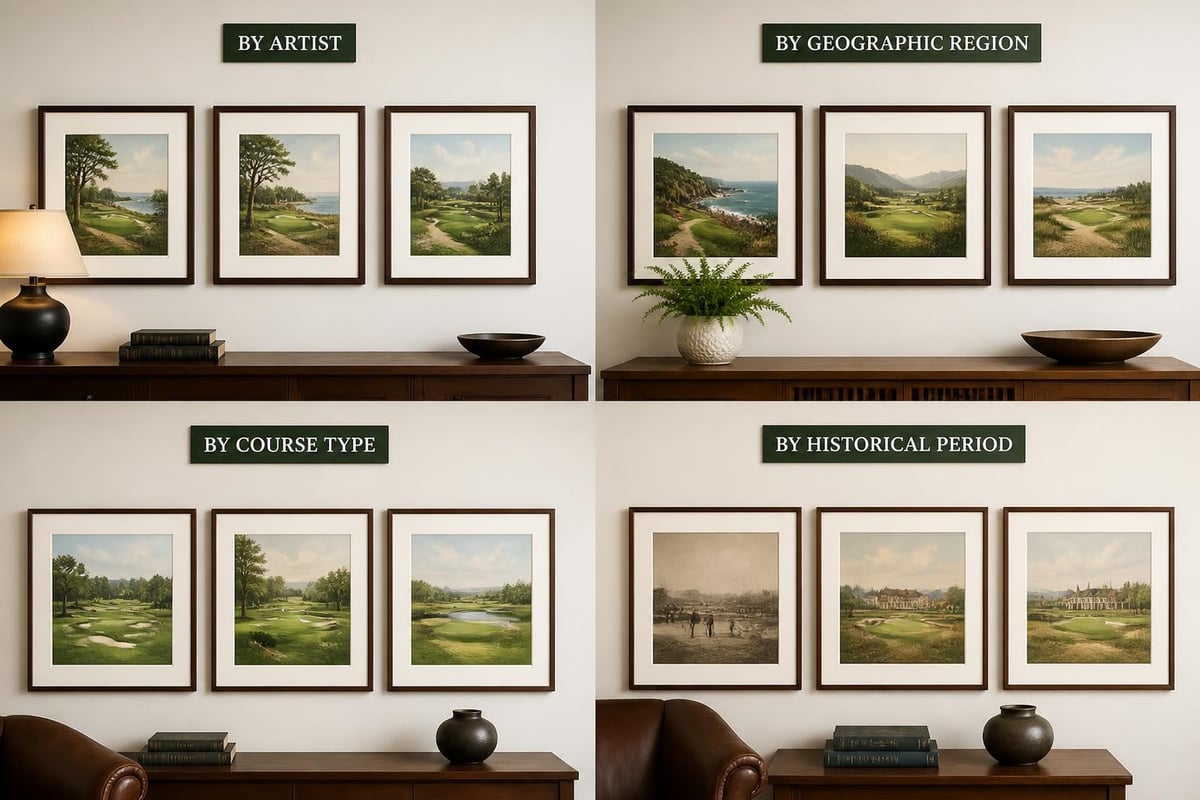
Collecting golf art prints can evolve from single statement pieces to comprehensive collections that document the sport's history, geography, or artistic interpretations. Thoughtful collecting creates opportunities to rotate displays seasonally, celebrate specific tournaments, or simply enjoy the hunt for exceptional pieces.
Starting Your Collection
New collectors should begin with pieces that hold personal significance. Perhaps a print of the course where you learned to play, your home club, or a major championship venue you've visited. These connections ensure enjoyment regardless of investment considerations.
The Heritage Links collection offers carefully curated historic artwork perfect for establishing collections with both aesthetic and investment merit. Starting with recognized artists or significant courses provides a solid foundation for future expansion.
Thematic Collection Strategies
| Collection Focus | Benefits | Considerations |
|---|---|---|
| Single Artist | Cohesive style, potential value appreciation | Limited variety, higher per-piece cost |
| Specific Region | Geographic connection, travel memories | May limit design versatility |
| Course Type | Educational, showcases golf diversity | Requires significant research |
| Historical Periods | Documents evolution, investment potential | Availability varies, authenticity crucial |
Golf Monthly's gift guide highlights how classic prints serve both as personal collection pieces and thoughtful gifts for fellow enthusiasts, making them versatile additions to any collection strategy.
Sustainability and Quality in Golf Art Prints
Environmental consciousness increasingly influences purchasing decisions across all consumer categories, including wall art. Quality and sustainability need not be mutually exclusive, particularly as printing technology advances and consumer demand drives industry change.
Eco-Friendly Production Methods
Modern printing techniques allow for museum-quality reproductions using sustainable materials and processes. Archival-quality inks resist fading while minimizing environmental impact through reduced chemical use. Paper choices include recycled content options and materials sourced from responsibly managed forests.
Favourite Place Prints demonstrates industry leadership by prioritizing eco-friendly materials across their sports prints collection, ensuring golf art prints meet both aesthetic and environmental standards. This commitment appeals to collectors who value sustainability alongside visual impact.
Assessing Print Quality
High-quality golf art prints feature sharp detail reproduction, accurate color representation, and appropriate paper weight. Giclee printing, considered the gold standard for fine art reproduction, provides exceptional clarity and longevity. This process uses archival inks and papers that resist deterioration, ensuring prints maintain their vibrancy for decades with proper care.
Examine prints for:
- Crisp edges and clear detail in fine elements
- Smooth color gradations without visible banding
- Rich, accurate color that matches original artwork
- Appropriate paper texture that enhances the image
Golf Art Prints as Gifts
Golf art prints make exceptional gifts for occasions ranging from birthdays to retirements. Their combination of personal relevance and lasting value creates memorable presentations that recipients truly appreciate and use.
Selecting Prints for Different Recipients
Understanding the recipient's relationship with golf guides appropriate selection. Active players appreciate prints of courses they've played or aspire to visit. Golf fans who rarely play might prefer historical pieces or abstract interpretations that celebrate the sport's aesthetic qualities. Corporate gifts benefit from prestigious course representations or classic tournament imagery that conveys sophistication.
The gifts for him collection includes golf options suitable for various relationships and occasions, while the golf gifts collection specifically targets enthusiasts who already own standard golf accessories.
Personalization Options
Many providers offer customization that elevates golf art prints from standard gifts to truly personal treasures. Adding recipient names, significant dates, or commemorative text transforms generic artwork into unique mementos. Course prints can celebrate hole-in-one achievements, tournament victories, or memorable rounds played with friends and family.
Consider these personalization approaches:
- Date and location marking: Document specific rounds or achievements
- Dedication inscriptions: Add personal messages or quotes
- Custom framing: Select frames matching recipient's decor preferences
- Series coordination: Give multiple related prints as a comprehensive gift
Market Trends and Investment Considerations
While most buyers purchase golf art prints primarily for aesthetic enjoyment, understanding market dynamics helps collectors make informed decisions that protect and potentially enhance their investment.
Limited Editions and Artist Signatures
Limited edition prints with lower production numbers typically command premium prices and hold value better than open edition pieces. Artist signatures, particularly when accompanied by numbering (e.g., 42/500), verify authenticity and limited availability. These factors become increasingly important for works by renowned artists or pieces documenting significant golf history.
Golf Art Direct's portfolio exemplifies how limited editions and artist involvement create collectible value beyond mere decoration. Hand-colored etchings and artist proofs represent the highest tier of print collecting, often appreciating as artists gain recognition or pass away.
Authentication and Provenance
For serious collectors, documentation matters. Certificates of authenticity, artist signatures, and gallery purchase records establish provenance that supports both insurance valuation and potential resale. Maintain all paperwork in protective sleeves stored separately from the artwork itself.
Reputable sellers provide this documentation automatically, while secondary market purchases require verification before committing to significant expenditures.
Caring for Your Golf Art Prints
Proper maintenance ensures golf art prints remain vibrant and valuable for generations. Simple preventive measures protect against the most common causes of deterioration.
Display Environment Management
Control these environmental factors:
- Light exposure: Avoid direct sunlight; use UV-filtering glass
- Humidity levels: Maintain 40-50% relative humidity to prevent paper warping
- Temperature stability: Avoid extreme fluctuations that stress materials
- Air quality: Keep away from kitchens, fireplaces, and smoking areas
Regular dusting with soft, dry cloths prevents particulate buildup on frames and glass. Clean glass surfaces using appropriate cleaners applied to cloths rather than sprayed directly, preventing moisture infiltration around frame edges.
Professional Conservation
For valuable or antique golf art prints, periodic professional evaluation identifies potential issues before they become serious problems. Conservators can address fading, foxing (brown spots), and structural damage using specialized techniques that preserve authenticity and value.
Budget for professional framing using archival materials for pieces intended as long-term investments or heirlooms. The modest additional cost pays dividends through extended artwork life and maintained condition.
The Intersection of Golf and Contemporary Culture
Golf's cultural presence extends far beyond the course, influencing fashion, lifestyle, and design trends. This broader relevance makes golf art prints appealing even to non-players who appreciate the sport's aesthetic and cultural significance.
Modern golf culture embraces style alongside performance, as demonstrated by collaborations between golf and fashion brands. This cultural evolution positions golf art prints as trendy design elements that signal contemporary taste rather than traditional sports fandom.
Younger collectors particularly appreciate abstract and minimalist golf artwork that references the sport without literal representation. These pieces function as sophisticated design elements first, with thematic golf connections adding subtle personal meaning for those who recognize them.
Golf art prints offer a sophisticated way to celebrate the sport while creating visually compelling interiors that reflect personal passions and design sensibilities. Whether you prefer vintage tournament posters, detailed course landscapes, or contemporary abstract interpretations, these pieces transform ordinary walls into personalized galleries that inspire conversation and admiration. For those ready to enhance their spaces with high-quality, sustainably produced artwork, explore the curated collection at Favourite Place Prints, where free global shipping makes it easy to bring the timeless elegance of golf into your home.