

Imagine stepping onto a tennis court that is more than a place to play—it is a living artwork that energizes athletes and spectators. As tennis court art continues to evolve, 2025 promises a wave of creativity and innovation. In this guide, you will uncover the history and cultural influence of tennis court art, examine the latest trends, and gain practical steps to design your own masterpiece. Whether you are inspired by bold murals or subtle elegance, this resource will help you collaborate with artists and balance beauty with playability. Let your imagination serve up new possibilities.
The Evolution of Tennis Court Art
The journey of tennis court art is a story of transformation, innovation, and cultural expression. From its humble origins to today's immersive installations, tennis court art has evolved with society, technology, and the sport itself.
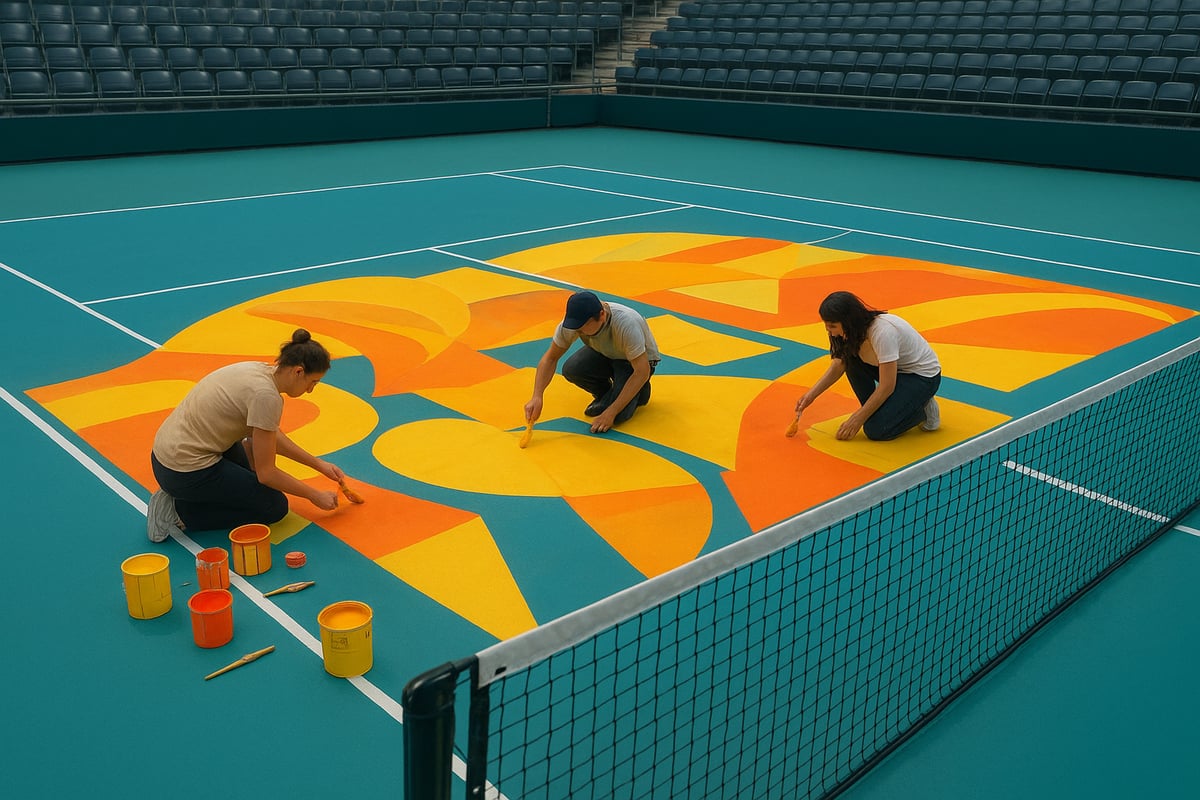
Historical Perspectives on Tennis Court Design
In the early days, tennis courts were strictly functional. Surfaces were plain, with little attention to visual appeal. The introduction of painted lines brought clarity to the game, while the 20th century saw the rise of color-blocking for both aesthetic and practical reasons.
Iconic venues like Roland Garros and Wimbledon became symbols of tradition, with their unique surface colors and subtle branding. Architectural trends, such as Art Deco and Modernism, also began to influence court layouts and color choices. For a deeper look at how courts have inspired artists and designers, explore this Guide to tennis posters of world courts, which highlights the artistic legacy of famous courts.
Cultural Significance and Community Impact
Tennis court art has become a tool for building community and fostering engagement in public spaces. Local artists often collaborate on projects that transform urban tennis parks and school courts, turning them into vibrant gathering places.
Recent data shows a 30% increase in community-led tennis court art initiatives in the US since 2020. Murals and unique designs not only beautify neighborhoods but also promote inclusivity and celebrate diversity. These projects often reflect the stories, values, and heritage of the people who use them.
Technological Advances in Court Materials
The evolution from traditional clay and grass to modern acrylic and synthetic surfaces has enabled tennis court art to flourish. New materials support more vivid and long-lasting designs, allowing artists greater creative freedom.
UV-resistant paints and eco-friendly coatings help preserve colors, even after years of sun and rain exposure. These innovations make it possible for tennis court art to remain bold, safe, and sustainable, while still meeting the technical demands of the sport.
Notable Artists and Collaborations
High-profile collaborations have brought tennis court art into the spotlight. Renowned artists like Daniel Arsham and KAWS have worked with brands and tennis organizations to create visually striking courts.
These partnerships often involve local artists and community groups, blending global trends with regional styles. The result is art that enhances player experience, energizes fans, and turns each court into a unique destination.
The Shift Toward Experiential Design
A new era of tennis court art is defined by immersive and interactive installations. Designers now integrate lighting, sound, and augmented reality to create multi-sensory experiences for players and spectators.
Recent tournaments have featured courts that respond to movement or change appearance with the time of day. Public art projects use projection mapping to tell stories or celebrate events. This shift demonstrates how tennis court art is embracing technology, making each match a dynamic visual journey.
Tennis Court Art Trends for 2025
The landscape of tennis court art is entering a new era in 2025. Designers, artists, and communities are pushing boundaries, making courts more vibrant, meaningful, and interactive than ever before. From bold palettes to eco-friendly innovations, these trends reflect a blend of creativity, technology, and cultural awareness shaping the future of tennis spaces.
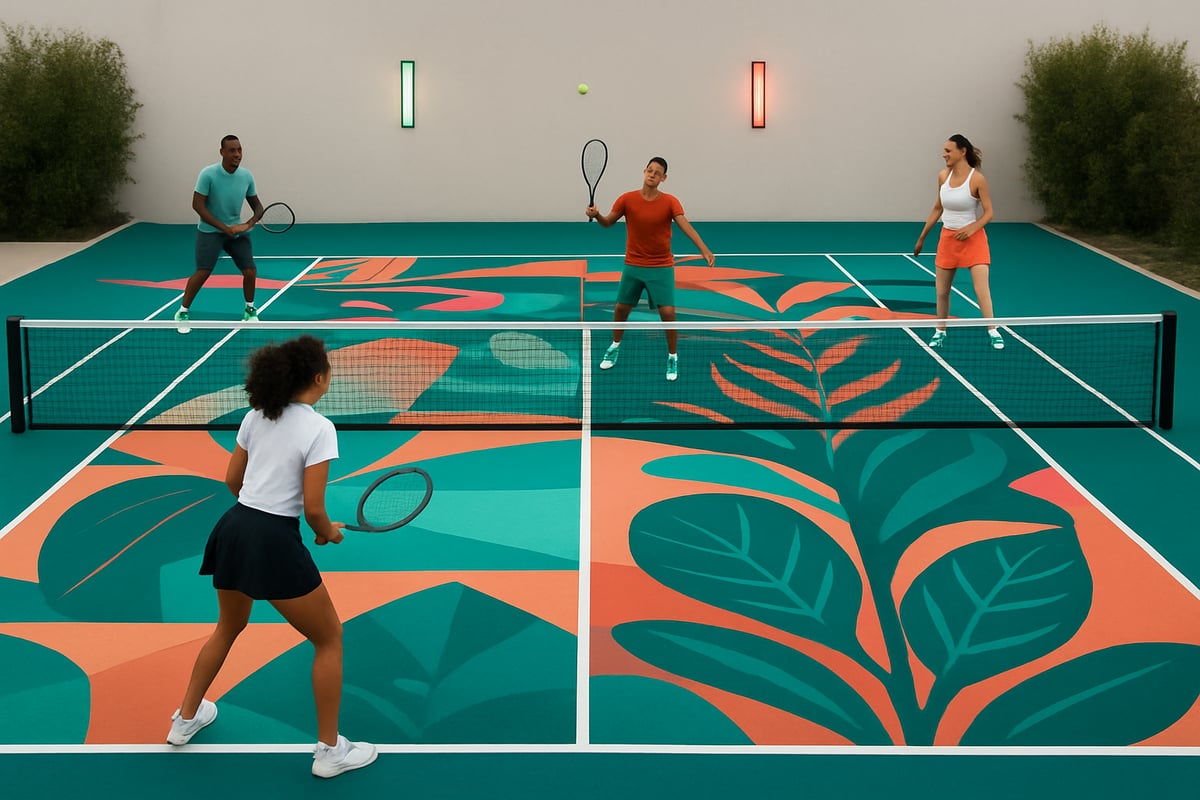
Bold Color Palettes and Geometric Patterns
In 2025, tennis court art is defined by daring color schemes and striking geometric motifs. Designers are drawing inspiration from the Bauhaus movement and Pop Art, infusing courts with vivid hues and crisp shapes. This approach not only modernizes the look of tennis facilities but also energizes players and spectators.
Pastel tones, bright blues, and neon greens are popular choices, echoing the Miami Open’s pastel courts. These fresh palettes help courts stand out, making each match feel like a dynamic event. Incorporating tennis court art in this way transforms the game into a visual spectacle, enhancing both play and atmosphere.
Nature-Inspired and Biophilic Designs
A growing trend in tennis court art is the embrace of nature-inspired themes. Designers use plant motifs, flowing organic lines, and earth-toned palettes to create a sense of harmony with the environment. This approach reflects a broader shift toward biophilic design, where nature and sport intersect.
Many public parks are adopting green and blue color schemes that blend with their surroundings. These choices foster relaxation and well-being for players and visitors. As sustainability becomes a priority, tennis court art rooted in natural elements also highlights environmental awareness and community connection.
Interactive and Multi-Sensory Experiences
Technology is revolutionizing tennis court art through interactive and immersive experiences. Augmented reality overlays, projection mapping, and tactile installations are making courts more engaging for everyone. These innovations allow players and audiences to interact with art in real time, redefining what a tennis space can be.
For example, AR-enhanced courts in Tokyo offer digital scoreboards and visual effects that respond to gameplay. This fusion of art and tech creates memorable moments, setting a new standard for tennis court art. The result is a court that stimulates the senses and encourages active participation.
Local Culture and Storytelling Through Art
Personalized storytelling is at the heart of many tennis court art projects in 2025. Communities are commissioning custom artwork that reflects local history, legends, and heroes. Collaborations with indigenous and minority artists ensure authentic representation and celebrate diversity.
According to municipal reports, 40 percent of new public courts now feature local cultural elements. A standout example is the 2025 US Open theme art celebrates Althea Gibson, which honors a tennis pioneer and inspires future generations. Integrating these stories into tennis court art creates a sense of pride and belonging for communities.
Sustainable and Eco-Friendly Art Practices
Sustainability is a central theme in tennis court art for 2025. Artists and designers are prioritizing recycled materials, non-toxic paints, and solar-powered lighting to reduce environmental impact. Upcycling old equipment and using green design principles reflect a commitment to eco-conscious creativity.
Solar mural courts in Australia exemplify this approach, combining art with renewable energy. These initiatives not only beautify tennis spaces but also promote environmental stewardship. Tennis court art that embraces sustainability sets a positive example for both players and spectators.
Minimalist and Functional Aesthetics
Minimalism is making its mark on tennis court art, especially in private clubs and luxury resorts. Clean lines, neutral color palettes, and subtle branding are favored to maintain a refined look while supporting optimal playability. This trend values simplicity without sacrificing style or function.
Designers use understated elements to enhance the court’s features and avoid distractions for athletes. The focus remains on the game, but the artistic touches elevate the overall experience. Tennis court art in this minimalist style demonstrates that less can truly be more, offering elegance and clarity for players at every level.
Step-by-Step Guide: Designing Your Own Tennis Court Art
Designing tennis court art requires both vision and careful planning. Whether your goal is to inspire a community or elevate a private club, following a structured process ensures both creativity and functionality. Let’s walk through each step, from defining your vision to maintaining your masterpiece.
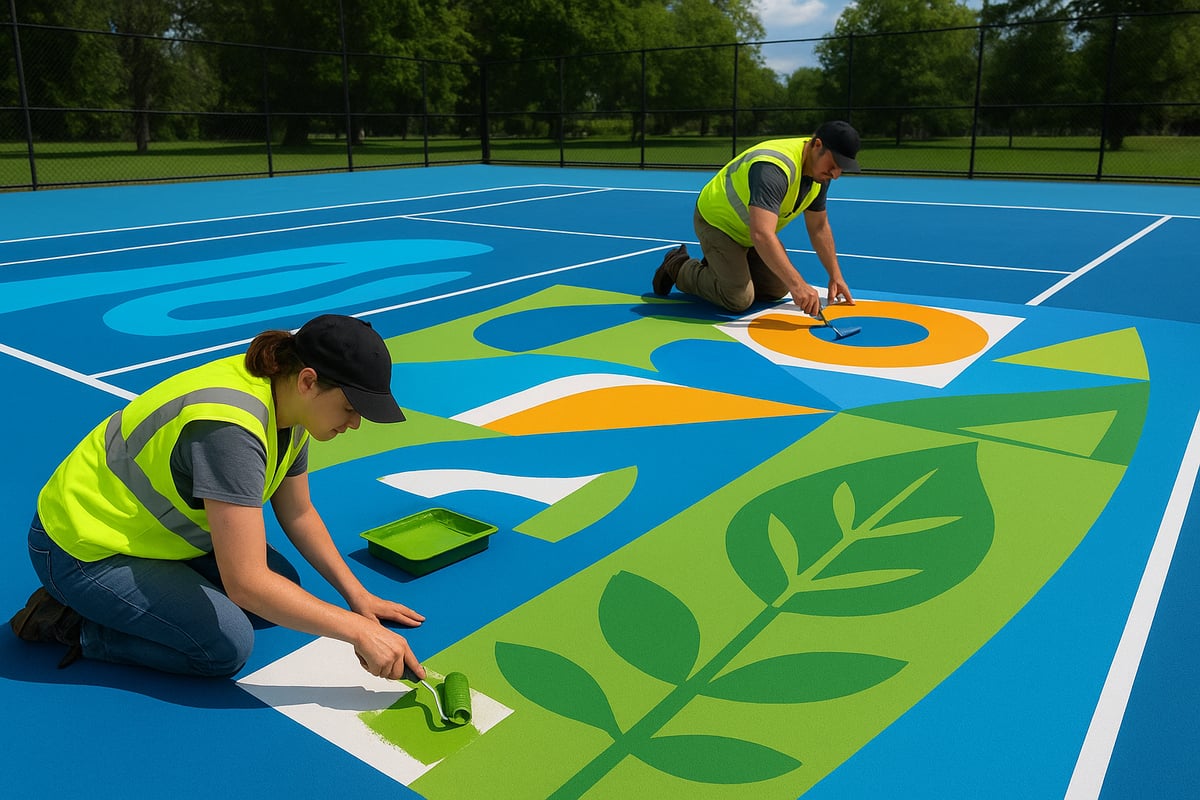
Step 1: Define Your Vision and Objectives
Start by clarifying the purpose of your tennis court art. Is it intended for a community hub, a private residence, or a special event? Identify your primary objectives, such as boosting engagement, celebrating local culture, or enhancing aesthetics.
Gather inspiration from diverse sources. Explore architecture, murals, and tennis art inspiration and prints to spark ideas for your project. Consider the message, mood, and impact you want the court to deliver.
Make a list of priorities:
- Artistic style and color palette
- Level of community involvement
- Functional requirements (visibility, durability)
By solidifying your vision early, you ensure your tennis court art aligns with your goals and resonates with its audience.
Step 2: Assess Court Surface and Materials
Before beginning any design, evaluate the current court surface. Check for cracks, uneven areas, or worn coatings. A solid, clean base is essential for long-lasting tennis court art.
Understand which paints and coatings are compatible with your court’s material, whether acrylic, synthetic, or another surface. Opt for eco-friendly and UV-resistant products to maintain color vibrancy and environmental responsibility.
Key considerations include:
- Surface repair and priming needs
- Paint types suitable for outdoor use
- Environmental impact and sustainability
A thorough assessment prevents issues later and sets the foundation for a successful transformation.
Step 3: Develop Concept Sketches and Mockups
Collaborate with artists or designers to translate your vision into visual concepts. Use digital tools like Adobe Illustrator or Procreate to create detailed mockups of your tennis court art. This step allows you to experiment with color, scale, and placement before any paint touches the court.
Review examples of successful concept art for guidance. Share mockups with stakeholders to gather feedback and ensure alignment with your objectives.
Tips for effective sketches:
- Present multiple variations
- Include overhead and side perspectives
- Highlight key features and motifs
A strong concept phase streamlines the approval and execution process.
Step 4: Obtain Permissions and Approvals
Securing approvals is vital for public and private tennis court art projects. Research local regulations and any tennis federation guidelines that may apply. Prepare a clear proposal, including visual mockups and a project timeline, to present to stakeholders, community members, or governing bodies.
Case studies from cities like New York show that early community involvement can speed up the approval process. Host information sessions or surveys to gather input and address concerns.
Checklist for approvals:
- Compliance with safety and sports regulations
- Community engagement and feedback
- Formal documentation and permits
Proper permissions protect your project and foster community support.
Step 5: Collaborate with Artists and Contractors
Choose artists and contractors who align with your vision and have proven experience in tennis court art. Vet candidates by reviewing portfolios, checking references, and discussing your specific needs.
Set clear expectations regarding timelines, budgets, and roles. Open communication ensures everyone is on the same page, minimizing misunderstandings. Schedule regular check-ins to track progress and address any challenges promptly.
Key collaboration tips:
- Draft detailed contracts
- Define milestones and deliverables
- Encourage creative input, while maintaining project goals
A strong team is essential for bringing your tennis court art to life with professionalism and flair.
Step 6: Execute the Artwork Installation
With planning complete, move to the installation phase. Begin by preparing the court surface, addressing repairs, and applying primer if needed. Use stencils, tape, and guides to achieve crisp lines and consistent patterns.
Apply paints in layers, allowing adequate drying time between coats. Safety is crucial: ensure that all workers use protective gear and that the site is secure during application. Monitor weather forecasts to avoid rain or extreme temperatures that could affect curing.
Installation essentials:
- Surface cleaning and priming
- Layered painting techniques
- Adherence to safety protocols
Proper execution ensures your tennis court art looks professional and lasts for years.
Step 7: Maintenance and Longevity Strategies
To preserve the beauty and function of your tennis court art, establish a regular maintenance schedule. Clean the surface frequently to prevent dirt buildup and address minor wear with timely touch-ups.
Apply protective coatings to shield artwork from UV rays and heavy use. Well-maintained tennis court art can last five to seven years with minimal intervention, ensuring ongoing visual impact and playability.
Maintenance checklist:
- Scheduled cleaning routines
- Annual inspections for fading or damage
- Reapplication of protective finishes as needed
Consistent care extends the life and vibrancy of your tennis court art, supporting its role as a lasting centerpiece for your space.
Collaborating with Artists and the Community
Engaging with artists and the local community is essential for memorable tennis court art. A collaborative approach unlocks creativity, ensures cultural resonance, and builds a sense of shared pride in the final result.
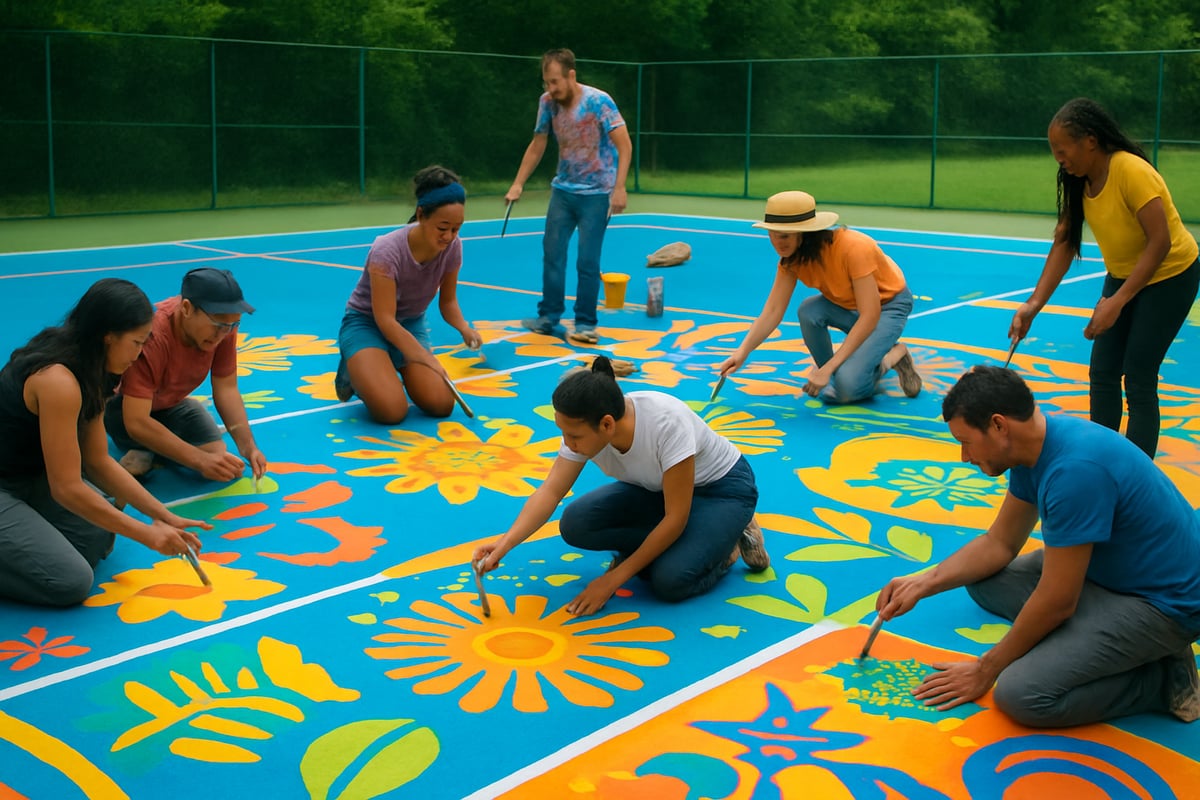
Building Partnerships for Creative Success
Strong partnerships are the foundation of impactful tennis court art. Involving local artists and organizations fosters authenticity and community ownership. When artists collaborate with residents, the results often reflect the unique character of the neighborhood.
For example, the Backyard Community Club's innovative tennis court design in Accra, Ghana, demonstrates how artist-community partnerships can create sustainable, visually stunning tennis court art that resonates with local culture.
Successful collaborations emphasize:
- Open communication and shared vision
- Respect for artistic expertise and community values
- Joint workshops or brainstorming sessions
These partnerships create tennis court art that not only beautifies public spaces but also strengthens community bonds.
Funding and Sponsorship Opportunities
Bringing tennis court art to life requires financial resources. Many projects secure grants from public art funds, local governments, or arts councils. Private sponsorships from businesses or tennis organizations are also common.
Crowdfunding offers another pathway, allowing community members to directly support tennis court art initiatives. According to recent data, about 25% of tennis court art projects receive sponsorship from local businesses, reflecting growing interest in supporting creative placemaking.
Consider these funding sources:
- Municipal or regional art grants
- Local business sponsorships
- Online crowdfunding platforms
A diverse funding strategy ensures the sustainability of tennis court art projects and helps cover both materials and artist compensation.
Navigating Creative Differences and Feedback
Aligning the visions of artists, players, and stakeholders is essential for successful tennis court art. Open dialogue helps surface concerns and find common ground. Iterative design reviews, including digital mockups, allow all voices to be heard before finalizing the artwork.
A recent case in a community park highlights the importance of compromise. When initial designs faced opposition, organizers facilitated feedback sessions, resulting in adjustments that balanced artistic flair with playability.
Key strategies include:
- Regular design meetings and feedback loops
- Transparent communication of goals and constraints
- Willingness to adapt designs based on input
This collaborative process leads to tennis court art that satisfies functional needs while celebrating creativity.
Celebrating and Promoting the Finished Court
Once the tennis court art is complete, celebrating its unveiling is crucial. Organizing opening events or friendly tournaments invites the community to experience the transformation firsthand.
Leveraging social media and local press coverage helps spread the word, attracting visitors and raising awareness about the value of tennis court art. In many cases, these projects boost local tourism and inspire other neighborhoods to invest in creative public spaces.
Consider these steps for promotion:
- Host a launch event to showcase the artwork
- Share progress and final results online
- Invite local media for coverage
A well-promoted tennis court art project becomes a lasting point of pride and inspiration for the entire community.
Balancing Artistry and Playability: Best Practices
Achieving harmony between artistic expression and functional play is essential in tennis court art. Designers must balance creative vision with the practical needs of players and officials. By following best practices, you can ensure that every court remains a safe, enjoyable, and inspiring space.
Ensuring Safe and Functional Court Surfaces
Safety is the foundation of every successful tennis court art project. The use of non-slip, durable paints and finishes is critical to prevent accidents and maintain optimal play. When selecting materials, prioritize products specifically rated for sports surfaces.
All tennis court art must comply with official regulations regarding court lines and markings. This ensures that visual enhancements do not interfere with gameplay or tournament standards. Innovative designs, such as those showcased in 2024 US Open theme art interactive features, demonstrate how creativity and compliance can coexist.
| Feature | Best Practice | Example |
|---|---|---|
| Surface Finish | Non-slip, UV-resistant | Acrylic with grit additive |
| Line Markings | Official width, high-contrast color | ITF/USTA standard |
| Paint Type | Sport-specific, weatherproof | Acrylic, eco-friendly |
Visual Clarity and Player Performance
Clarity is vital for a positive playing experience. Tennis court art should enhance the environment without creating distractions that could impact player focus or performance. Strategic placement of bold colors and patterns helps maintain clear demarcation lines.
Surveys reveal that 80 percent of players prefer courts where essential markings stand out against artistic backgrounds. For inspiration on visually striking yet functional designs, explore stunning tennis posters and prints, which showcase creative approaches to blending art and clarity.
To maximize performance:
- Use neutral tones near lines.
- Reserve bright or complex artwork for non-play areas.
- Test visibility under different lighting conditions.
Weather and Environmental Considerations
Tennis court art must withstand diverse climates and environmental challenges. Choosing UV-resistant and weatherproof materials is essential for longevity and vibrancy. Surfaces should be able to handle rain, heat, and temperature fluctuations without fading or peeling.
Adapting designs to local weather can extend the life of tennis court art. Consult with court maintenance professionals to select coatings that offer protection and easy cleaning. Recent projects, such as those integrating interactive and digital elements at major tournaments, demonstrate the importance of robust materials in high-traffic environments.
Considerations for outdoor courts:
- Quick-drying, non-toxic paints
- Anti-fade coatings for sun exposure
- Drainage planning to avoid water damage
Accessibility and Inclusivity in Design
Designing tennis court art for all users means considering accessibility from the start. Incorporate high-contrast colors and tactile elements to assist visually impaired or adaptive athletes. Inclusive design principles enhance usability and demonstrate a commitment to community values.
Successful public park projects have shown that accessible court art increases participation and engagement. Features such as textured surfaces or larger, contrasting lines help ensure everyone can enjoy the game. By prioritizing inclusivity, tennis court art becomes a powerful tool for welcoming diverse players and spectators.
Inspiring Tennis Court Art Examples from Around the World
Across the globe, tennis court art is redefining how courts look and feel. Each region brings its own flair, merging tradition, innovation, and local culture. Explore how these creative spaces set new standards for inspiration and engagement.
Iconic Professional Tournament Courts
Major tournaments have become showcases for tennis court art, blending prestige with visual storytelling. Roland Garros is famous for its signature clay hue, while the Miami Open courts use pastel tones and geometric patterns to evoke a modern, energetic vibe.
Innovation thrives at events like the US Open. In 2025, Tiffany & Co. introduced a diamond-encrusted tennis racket, highlighting the fusion of luxury and artistry. This collaboration, detailed in Tiffany & Co.'s diamond tennis racket at 2025 US Open, exemplifies how tennis court art can transform traditional settings into extraordinary visual experiences.
Spectators and players alike are increasingly drawn to the dynamic aesthetics of these courts, which elevate the atmosphere and connect tennis with broader cultural trends.
Community-Led and Grassroots Projects
Around the world, local communities are embracing tennis court art as a way to revitalize public spaces. Urban parks in cities like Los Angeles and London have commissioned murals that reflect neighborhood stories and diversity. These projects create gathering points, foster pride, and make tennis accessible to wider audiences.
Grassroots initiatives often involve local artists and volunteers, ensuring authenticity and strong community ties. The transformation of neglected courts into colorful canvases not only boosts participation but also celebrates the unique energy of each neighborhood.
These efforts demonstrate the power of tennis court art to unite people and reimagine shared spaces for play and creativity.
School and Youth Tennis Court Art
Schools are increasingly using tennis court art to engage students and encourage creativity. Educational programs invite students to collaborate on designs, often incorporating themes from local culture or school values. This hands-on approach fosters teamwork and artistic expression.
A growing number of schools draw inspiration from collections like the Tennis prints collection, which showcases a variety of tennis-themed artwork. These resources help educators and students explore different styles and techniques.
By making tennis court art a part of the curriculum, schools nurture a sense of ownership and accomplishment among young athletes, building vibrant and welcoming environments.
Innovative Private and Resort Courts
Luxury resorts and private clubs are setting new benchmarks in tennis court art, commissioning bespoke designs to enhance guest experiences. These courts often feature minimalist patterns, custom branding, or integrated sculptures that blend seamlessly with the surroundings.
Some properties partner with renowned artists to create immersive installations, combining lighting, sound, and interactive elements. This approach not only elevates the game but also positions the venue as a destination for art lovers.
The intersection of exclusivity and creativity in tennis court art demonstrates how design can become a hallmark of hospitality and leisure.