

The resurgence of vintage aesthetics has positioned retro style wall art as one of 2026's most compelling interior design trends. This nostalgic movement goes beyond simple throwback imagery, blending iconic design elements from the 1940s through the 1990s with contemporary sensibilities. Whether you're drawn to mid-century modern simplicity, psychedelic 1960s patterns, or bold 1980s graphics, retro wall art offers endless possibilities for personalizing your space while maintaining a fresh, relevant look.
Understanding the Retro Revival in Modern Interiors
Retro style encompasses distinct visual languages from multiple decades, each bringing unique characteristics to wall art. The current wave of retro design draws particular inspiration from post-war optimism, counterculture movements, and the technological awakening of the late 20th century. This aesthetic diversity makes retro style wall art exceptionally versatile for different rooms and personal tastes.
The resurgence of retro design in 2026 reflects a broader cultural shift toward appreciating craftsmanship and distinctive character. Modern homeowners increasingly reject mass-produced minimalism in favor of personality-driven spaces that tell stories. Retro wall art serves this purpose perfectly, offering visual interest while maintaining sophisticated appeal.
Key Eras That Define Retro Wall Art
Each decade contributes specific design DNA to contemporary retro aesthetics:
- 1940s-1950s: Atomic age graphics, optimistic color palettes, streamlined shapes, and educational poster styles
- 1960s: Psychedelic patterns, op-art designs, bold typography, and travel-inspired imagery
- 1970s: Earth tones, geometric patterns, sunburst motifs, and nature-themed illustrations
- 1980s: Neon color combinations, Memphis design elements, grid patterns, and sports graphics
- 1990s: Digital nostalgia, pixelated aesthetics, grunge influences, and minimalist geometric forms
Understanding these temporal distinctions helps create cohesive collections that honor specific periods rather than randomly mixing decades.
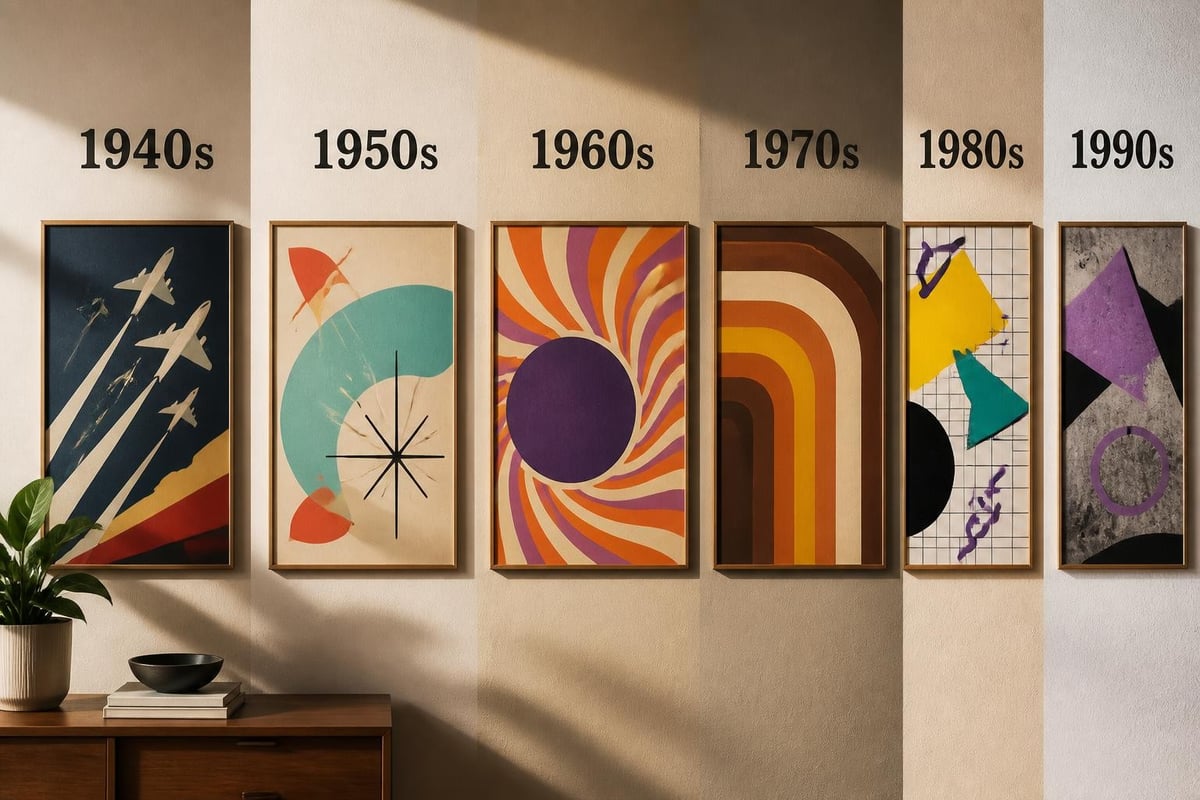
Color Palettes That Define Retro Style Wall Art
Color selection fundamentally shapes the retro feeling in any space. Mid-century palettes favor mustard yellows, avocado greens, burnt oranges, and teal blues. These hues work particularly well in sports-themed wall art that celebrates vintage tournament aesthetics or classic stadium designs.
The 1960s introduced more adventurous combinations with fuchsia, lime green, tangerine, and electric blue. These vibrant schemes translate beautifully into travel prints featuring destinations from that era's golden age of jet-setting. Meanwhile, 1970s earth tones provide warmth through harvest gold, chocolate brown, rust, and olive green.
Implementing Period-Appropriate Color Schemes
| Era | Primary Colors | Accent Colors | Best Applications |
|---|---|---|---|
| 1950s | Turquoise, coral, gray | Atomic orange, pink | Kitchen, dining areas |
| 1960s | Lime, purple, yellow | Hot pink, orange | Living rooms, studios |
| 1970s | Harvest gold, avocado | Rust, chocolate | Dens, home offices |
| 1980s | Neon pink, electric blue | Teal, purple | Game rooms, gyms |
Contemporary applications often soften these bold choices by pairing period colors with neutral backgrounds. A vintage travel poster featuring 1960s color blocking gains sophistication when matted with crisp white borders and framed in natural wood.
Typography and Graphic Elements in Retro Wall Art
Typography serves as a powerful identifier of retro authenticity. Script fonts from the 1950s convey elegance and optimism, while bold sans-serif typefaces from the 1960s communicate strength and modernity. The 1970s favored rounded, bubble-style lettering, and the 1980s embraced geometric, computer-inspired fonts.
Graphic elements equally define period authenticity. Sunburst patterns, atomic starbursts, and boomerang shapes immediately signal mid-century design. Geometric repetition, optical illusions, and flowing organic forms characterize 1960s aesthetics. Travel prints incorporating these elements create compelling focal points that celebrate both destinations and design history.
Key graphic signatures include:
- Asymmetrical compositions that break traditional balance rules
- Layered geometric shapes creating depth without perspective
- High-contrast patterns that energize negative space
- Stylized illustrations prioritizing character over photorealism
- Border treatments ranging from simple frames to elaborate decorative edges
These elements combine to create retro style wall art that feels simultaneously nostalgic and contemporary, particularly when applied to modern subject matter like current sports venues or recent travel destinations.
Themes That Work Best for Retro Wall Art
Sports imagery translates exceptionally well into retro aesthetics. Vintage-style tennis court prints can incorporate classic color schemes and typography that recall tournament posters from the 1960s and 1970s. Similarly, motorsport themes benefit from retro treatment, with racing circuits rendered in period-appropriate graphic styles.
Travel destinations provide rich material for retro interpretation. National parks, iconic cities, and classic resorts all carry nostalgic associations that align perfectly with vintage design approaches. The key lies in balancing authentic period styling with clear, contemporary execution that avoids appearing dated.
Popular Subject Categories
- Sports venues: Tennis courts, golf courses, racing circuits, stadiums
- Travel destinations: National parks, international cities, beach resorts, mountain ranges
- University campuses: College landmarks, stadium aerials, campus maps
- Cultural icons: Music venues, historic theaters, architectural landmarks
- Transportation: Vintage airline routes, railway maps, highway systems
Each category offers opportunities to merge subject-specific details with era-appropriate design treatments. A Formula 1 circuit rendered in 1960s graphic style creates visual interest while celebrating racing heritage.
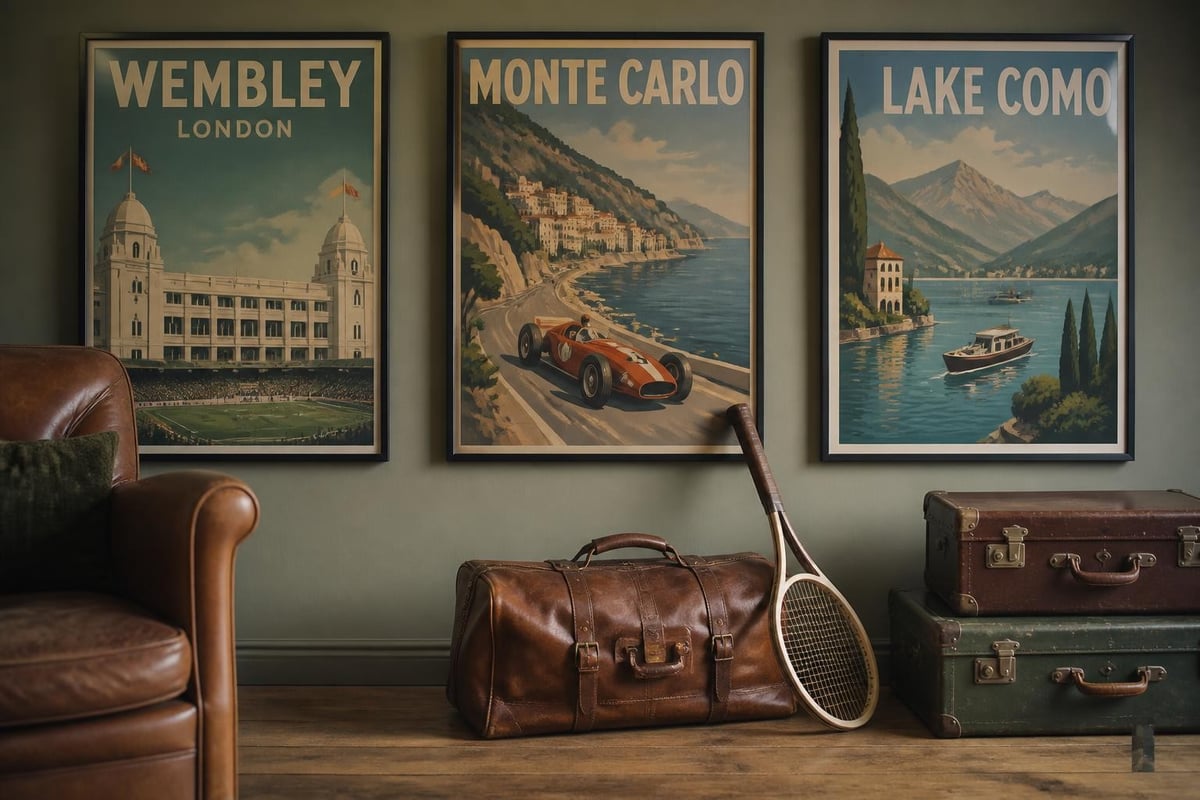
Styling Retro Wall Art in Contemporary Spaces
The 2026 retro design revival emphasizes thoughtful integration rather than theme-park recreation. Successful implementation balances nostalgic elements with modern comforts and functionality. This approach allows retro style wall art to serve as accent pieces that elevate rather than dominate spaces.
Gallery walls offer excellent opportunities for displaying multiple retro prints. The memento wall trend of 2026 encourages mixing personal items with curated art, creating collections that feel both intentional and organic. Combine retro travel prints from meaningful destinations with vintage-style sports art representing favorite teams or activities.
Styling strategies for different rooms:
- Living rooms: Large-scale focal pieces above sofas, paired with complementary accent prints
- Home offices: Motivational vintage-style prints featuring achievements or aspirational destinations
- Bedrooms: Calmer retro palettes with travel destinations or peaceful landscape interpretations
- Dining areas: Food culture prints, wine regions, or restaurant districts in retro styling
- Hallways: Gallery collections telling visual stories through coordinated retro themes
Framing choices significantly impact how retro style wall art integrates with modern interiors. Natural wood frames complement mid-century aesthetics, while sleek black frames provide contemporary contrast that prevents spaces from feeling like period museums.
Balancing Authenticity with Modern Sensibilities
Authentic retro design risks appearing costume-like if executed without restraint. The most successful applications of retro style wall art selectively borrow period elements while maintaining contemporary sophistication. This balance requires understanding which aspects of vintage design remain appealing versus which elements feel genuinely dated.
Color saturation provides one adjustment point. Pure vintage palettes can overwhelm modern spaces with their intensity. Slightly muting period colors while preserving their character creates pieces that honor retro aesthetics without dominating rooms. This approach works particularly well for tennis-themed wall art where vintage tournament aesthetics meet current design preferences.
Modernization Techniques
| Original Element | Contemporary Adaptation | Result |
|---|---|---|
| Bold pattern density | Selective pattern placement | Visual breathing room |
| Saturated colors | Toned-down hues | Sophisticated restraint |
| Heavy borders | Minimal frames | Clean presentation |
| Busy compositions | Simplified layouts | Modern clarity |
These adaptations allow retro style wall art to function within minimalist, maximalist, or eclectic design schemes. The flexibility ensures vintage aesthetics enhance rather than conflict with existing décor.
Material Choices and Sustainability Considerations
Modern production methods allow retro aesthetics to align with contemporary environmental values. High-quality digital printing reproduces vintage color palettes and graphic treatments while using eco-friendly inks and sustainable paper stocks. This combination delivers authentic retro appearance without compromising ecological responsibility.
Print quality dramatically affects how retro designs translate from screen to wall. Fine art papers with appropriate texture enhance mid-century graphics, while smooth finishes suit 1980s-inspired geometric patterns. Understanding material relationships ensures the final product matches design intent.
Sustainable material options include:
- Recycled paper stocks maintaining archival quality
- Water-based inks reducing environmental impact
- FSC-certified frames from responsibly managed forests
- Recycled metal hanging hardware
- Minimal packaging using recyclable materials
These choices reflect growing consumer preference for unique wall art that aligns with personal values. Retro style wall art produced sustainably offers aesthetic appeal and environmental responsibility simultaneously.
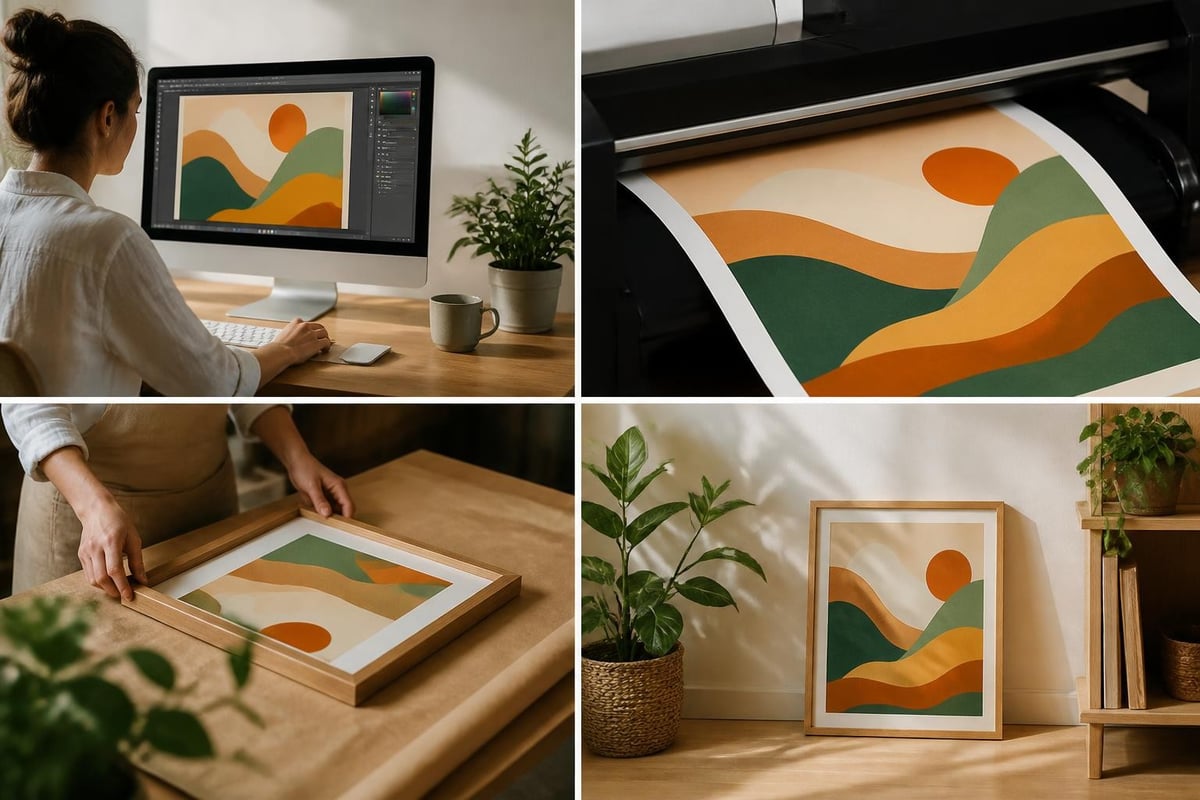
Mixing Retro Styles Across Different Decades
While period-specific collections offer cohesion, carefully mixing decades creates dynamic, personalized displays. The key lies in identifying unifying elements that bridge temporal gaps. Color families, subject matter, or graphic approaches can connect pieces from different eras into coherent arrangements.
A collection combining 1950s travel posters, 1970s national park prints, and 1980s sports graphics succeeds when unified by complementary color palettes or consistent framing choices. This curated eclecticism reflects personal history and interests more authentically than strict period adherence.
Successful mixing strategies:
- Color bridging: Select prints sharing one or two key colors across different eras
- Theme consistency: Maintain subject matter focus while varying design periods
- Graphic balance: Alternate dense patterns with simplified compositions
- Scale variation: Combine different print sizes for visual hierarchy
- Frame coordination: Use consistent framing to unify diverse styles
These approaches transform potential chaos into intentional curation. The resulting collections tell richer stories than single-period groupings, reflecting the complexity of personal taste and experience.
Creating Focal Points with Statement Pieces
Large-scale retro style wall art commands attention while setting room tone. Oversized prints work particularly well for dramatic subjects like aerial golf course views or panoramic city skylines rendered in vintage graphic styles. These statement pieces anchor spaces, allowing smaller surrounding elements to complement rather than compete.
Scale considerations vary by room proportions. Standard living rooms accommodate 36x24 inch prints comfortably, while larger spaces support pieces up to 48x36 inches or beyond. The classic guideline suggests wall art should span two-thirds to three-quarters of furniture width underneath, though contemporary design increasingly embraces more dramatic proportions.
Placement Guidelines by Room Type
- Above sofas: 6-12 inches above furniture top, centered or slightly offset
- Dining rooms: Centered on main wall, 60 inches to center from floor
- Bedrooms: Above beds or opposite for viewing comfort, similar height rules
- Hallways: Eye level (57-60 inches to center) for comfortable viewing while walking
- Stairways: Follow angle of stairs, maintaining consistent spacing between pieces
Proper placement maximizes impact while maintaining proportion. Retro style wall art gains authority through confident positioning that respects both artwork and architecture.
Seasonal and Temporary Display Options
Not every retro piece requires permanent installation. Rotating collections keeps interiors fresh while allowing experimentation with different periods and styles. This approach particularly suits those building collections gradually or exploring various retro aesthetics before committing to specific directions.
Removable hanging systems facilitate easy rotation without wall damage. Picture ledges, gallery rails, and command strips enable frequent changes while maintaining professional presentation. This flexibility encourages bolder choices, knowing pieces can be swapped if tastes evolve.
Rotation strategies include:
- Seasonal themes (beach travel prints for summer, mountain scenes for winter)
- Sports calendar alignment (tennis during major tournaments, golf during Masters season)
- Personal milestone commemoration (anniversary destinations, achievement celebrations)
- Color palette shifts matching seasonal décor changes
- Experimental placements testing new locations before permanent installation
These approaches transform wall art from static decoration into dynamic elements that evolve with life and seasons. Retro style wall art particularly suits this treatment, as vintage aesthetics carry inherent nostalgia that deepens through repeated viewing in different contexts.
Investment Value and Collectibility
Quality retro style wall art maintains value through timeless design principles and production excellence. Limited editions, artist signatures, and authentic vintage reproductions carry particular collectibility. While not all pieces appreciate financially, well-chosen retro art retains aesthetic value that transcends temporary trends.
Building coherent collections requires patience and selective acquisition. Rather than purchasing everything immediately, thoughtful collectors identify specific themes, periods, or color palettes, then acquire pieces gradually. This disciplined approach creates more meaningful collections reflecting genuine interests rather than impulsive accumulation.
Factors affecting long-term value:
- Production quality (paper, inks, printing method)
- Design authenticity and period accuracy
- Limited edition status and numbering
- Artist or designer recognition
- Subject matter relevance and appeal
- Condition and proper storage
Even prints without monetary appreciation deliver value through sustained enjoyment. Retro style wall art that consistently pleases represents successful investment regardless of resale potential. The goal remains creating spaces that inspire and comfort over years of daily interaction.
Customization Options for Personal Connection
Modern printing technology enables personalization while maintaining retro aesthetics. Custom location prints featuring meaningful places rendered in vintage graphic styles create deeply personal pieces. A childhood hometown, wedding destination, or favorite vacation spot gains new dimension through period-appropriate design treatment.
Color customization allows retro prints to coordinate with existing décor. Requesting palette adjustments ensures new acquisitions complement current furnishings without sacrificing authentic period feel. This flexibility makes retro style wall art adaptable across diverse interior design schemes.
Personalization possibilities include:
- Custom location selection for travel and sports prints
- Text additions (dates, names, meaningful quotes)
- Color palette adjustments matching room schemes
- Size modifications fitting specific wall dimensions
- Format changes (portrait versus landscape orientation)
These options transform generic wall art into personal statements. The combination of retro aesthetics and individual customization creates pieces that function as both decoration and memoir, celebrating places and moments through distinctive design language.
The Psychology Behind Retro Appeal
Understanding why retro style wall art resonates helps in selecting pieces that deliver lasting satisfaction. Nostalgia provides powerful emotional connection, whether remembering lived experiences or romanticizing eras before one's birth. This psychological pull makes vintage aesthetics particularly effective for creating comforting, welcoming spaces.
Period design elements also offer respite from digital saturation. The tactile, analog qualities of retro graphics provide visual rest from screen-based modern life. Hand-drawn characteristics, imperfect registration, and organic compositions contrast refreshingly with pixel-perfect contemporary design.
Emotional benefits include:
- Connection to personal or cultural history
- Comfort through familiar visual languages
- Optimism reflected in period color palettes
- Uniqueness versus mass-market contemporary options
- Conversation starting points with guests and family
These psychological dimensions elevate retro style wall art beyond mere decoration into meaningful environmental elements that actively enhance wellbeing and satisfaction within living spaces.
Retro style wall art offers remarkable versatility for personalizing modern interiors while honoring design heritage from multiple decades. The combination of nostalgic appeal, distinctive aesthetics, and contemporary production quality creates pieces that enhance spaces for years. Whether you're drawn to mid-century travel themes, vintage sports graphics, or bold geometric patterns, thoughtfully selected retro prints transform ordinary rooms into distinctive environments. Favourite Place Prints specializes in bringing these timeless aesthetics to life through high-quality sports, travel, and university-themed wall art, all produced sustainably with eco-friendly materials and delivered worldwide at no additional shipping cost.